

For renters in Singapore, end of tenancy cleaning is not just about making a home look presentable; it is about reaching the standard expected at handover. Whether you are moving out of an HDB flat, condominium or apartment, the main question is simple: will the property look clean enough for the landlord, agent or incoming tenant to accept it without avoidable objections? The best way to judge this is to look at the property the way a handover party would, room by room, using practical checks rather than assumptions.
Understand what handover expectations usually mean
Handover expectations are generally based on the condition stated in the tenancy agreement, the original move-in condition, and any agreed allowance for normal wear and tear. In Singapore, landlords and managing agents often expect the unit to be left tidy, cleaned thoroughly, and ready for inspection. That does not mean it must look new, but it should not show obvious dirt, grease, soap build-up, dust, or neglected corners.
Renters should also remember that expectations can differ by property type. A furnished condominium may require more attention to furniture, appliances and balconies, while an HDB unit may be checked closely for kitchen condition, bathroom cleanliness and floor finish. If a cleaning job is meant to support a smooth handover, it should address the spaces and fittings that will be examined first.
Check the areas that matter most at inspection
Most handovers focus on the parts of the home that show use most clearly. Kitchens and bathrooms usually receive the closest scrutiny, followed by floors, windows, shelves, skirting, doors and high-touch fittings. A renter can assess whether cleaning is sufficient by looking for anything that would be obvious during a walkthrough.
Useful checkpoints include:
- Kitchen: cooker hood, hob, backsplash, cabinet exteriors and sink
- Bathrooms: toilet bowl, shower screen, taps, grout lines and floor traps
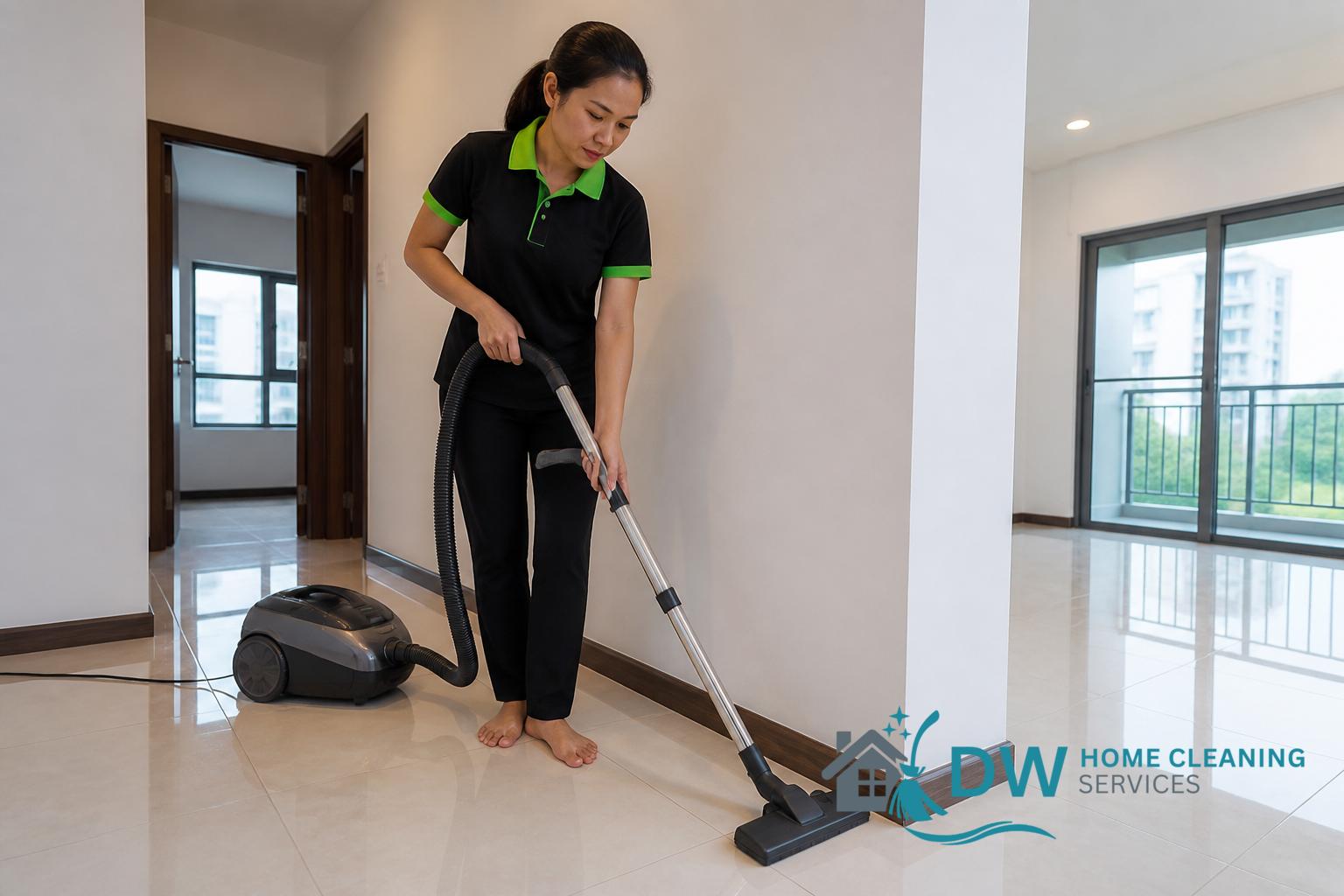
- Living areas: visible dust, floor marks, skirting and window tracks
- Bedrooms: wardrobes, shelves, mirrors and behind furniture
- Balcony or service yard: drain areas, floor edges and glass panels
If these areas still show residue, sticky surfaces or visible dust, the end of tenancy cleaning is unlikely to meet typical handover expectations.
Look for signs that cleaning was only surface-level
One common issue is cleaning that makes the unit appear tidy at first glance but leaves behind details that a careful inspection will reveal. Examples include greasy kitchen cabinets, soap scum on shower screens, dust around light fittings, and dirt trapped along skirting or in corners. These issues are especially noticeable when the property is empty, because there is nothing to distract the eye.
A useful method is to inspect under natural light and from different angles. If you can still notice smears on glass, residue on handles or dust in recessed areas, the cleaning likely needs further work. For handover purposes, the standard should be consistent across the entire unit, not just the obvious surfaces.
Compare the result against the tenancy agreement and move-in condition
The tenancy agreement is often the best reference point for judging whether cleaning is sufficient. Some agreements require the property to be returned in professionally cleaned condition, while others simply ask for a clean and tidy handover. If there was an inventory or move-in checklist, renters should compare the current condition against that record.
This matters because what seems acceptable to a tenant may not match the landlord’s expectations. For example, if the unit was handed over with polished floors, clean appliance interiors and detailed bathroom finishing at move-in, the return condition should be assessed with that same baseline in mind. When in doubt, focus on whether the unit would appear ready for the next occupant without immediate extra cleaning.
Inspect the details that are easy to miss
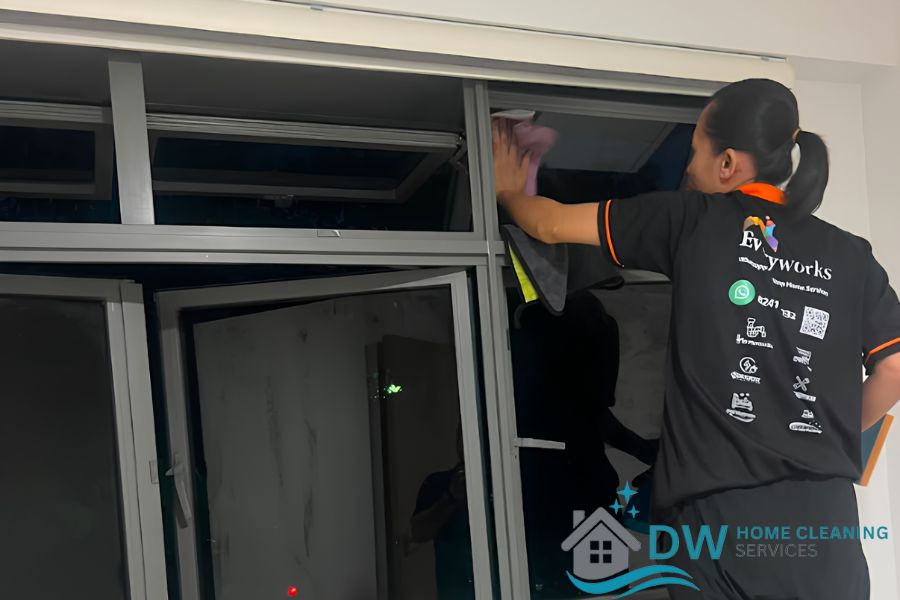
End of tenancy cleaning is often judged by small details rather than major obvious areas. Renters can test the quality of the cleaning by checking places that are commonly overlooked during rushed work. These include window tracks, door frames, behind bathroom doors, under sinks, inside cabinets, light switches, plug points and the edges of floors.
It also helps to pay attention to odour, not as a guaranteed sign of cleanliness, but as an indicator that some areas may need more attention. Lingering kitchen smells, damp bathroom areas or stale cupboard interiors can suggest that cleaning was not thorough enough for a proper handover. If a property still feels “lived in” rather than reset for the next tenant, further cleaning may be needed.
Use a simple walkthrough method before handover
Before the final inspection, renters can carry out a methodical walkthrough. Start at the entrance and move through each room in a consistent order. Check visible surfaces first, then corners, edges, fittings and concealed spaces. This reduces the chance of missing small but important issues.
A practical walkthrough can follow this pattern:
- Open windows, cabinets and wardrobes to check internal cleanliness.
- Run your hand lightly over ledges, shelves and fittings to detect dust.
- Look at floors from standing height and again at a lower angle for marks.
- Check kitchens and bathrooms for grease, limescale and water stains.
- Review the unit as if you were the landlord, agent or next tenant.
If the answer is “yes” to most of these checks, the cleaning is more likely to meet handover expectations. If there are still obvious problem areas, it is better to address them before the inspection rather than after.
When professional end of tenancy cleaning is worth considering
Some units require more than routine cleaning because of the level of dirt, the amount of furniture, or the time available before handover. Professional end of tenancy cleaning can be useful when the tenant wants a structured, room-by-room approach that focuses on the standard commonly expected at move-out. This is especially relevant in Singapore where move-out dates, key return timing and inspection schedules can be tight.
For renters arranging this service, the key is not simply whether the home looks better, but whether the cleaning scope matches the handover condition. That means clarifying the property type, the rooms to be covered, any appliance or bathroom concerns, and whether the unit needs additional attention such as floor cleaning, balcony cleaning or detailed kitchen work.
If you want help assessing the right scope for your move-out, you can WhatsApp DW Home Cleaning Services Singapore to discuss end of tenancy cleaning for your unit and request a quotation based on your property type, condition and preferred schedule: message us here.
Conclusion
Renters can tell whether end of tenancy cleaning meets handover expectations by checking the property the way it will be inspected: by room, by surface and by detail. The goal is not perfection, but a clean and orderly condition that aligns with the tenancy agreement, the original move-in state and the practical standards of a landlord or managing agent. A careful final walkthrough is usually the clearest way to avoid disputes and support a smoother return of keys.
Choose DW Home Cleaning Services Singapore
DW Home Cleaning Services Singapore is a reliable service provider of professional home cleaning solutions that cater to a wide range of household needs. Their team of trained cleaners handles everything from regular house cleaning and weekly home cleaning services to intensive home deep cleaning and floor deep cleaning. As a trusted cleaning company in Singapore, they also specialize in detailed tasks such as floor cleaning, floor polishing, mattress cleaning, and sofa cleaning, helping families keep every part of their home spotless and comfortable. With flexible options like hourly cleaning service and tailored household deep cleaning, homeowners can enjoy a consistently clean environment without worrying about upkeep.
In addition to cleaning, DW Home Cleaning Services Singapore provides manpower solutions through dependable part time helpers and part time maids, making it easier for households to manage their daily routines. They also offer recurring support such as weekly maid service and hourly maid service, alongside specialized residential cleaning services that include executive/private condominium home cleaning, landed property home cleaning, apartment house cleaning, and HDB home cleaning services. Whether it’s a seasonal house deep cleaning, assistance from professional deep clean house cleaners, or complete full home cleaning services, the company delivers convenience and professional results across all property types. For those seeking reliable, efficient, and high-quality cleaning services in Singapore, DW Home Cleaning Services Singapore remains a trusted choice. Explore our projects and blog to learn more about the cleaning services we’ve successfully provided for homes across Singapore. WhatsApp us at +65 8241 0032 to book your session today.
Frequently Asked Questions
What parts of the home are usually checked most closely during handover?
Kitchens and bathrooms are usually inspected first, followed by floors, windows, cabinets, doors and visible fixtures. These areas tend to show grease, dust, water marks and wear more clearly than other parts of the unit.
Should renters rely only on how clean the unit looks from a distance?
No. A unit may look fine from the doorway but still fail a closer inspection. It is better to check corners, tracks, cabinet interiors, fittings and other details that may be noticed during handover.
How can a tenant tell if more cleaning is needed before returning the keys?
If there are visible marks, lingering grease, dust in corners, residue on glass or dirty bathroom edges, more cleaning is usually needed. A final walkthrough against the tenancy agreement is the most practical way to judge readiness.